Planning Your Spring Black Bear Hunt from Homer with Big Dan’s as your Transporter
Spring in Alaska is a great time to hunt for black bears. Temperatures start to increase bringing welcome warmth, beaches begin to green up with fresh sedges, and bears emerge from dens hungry and on the move. When they first come out of their dens, hides are typically in prime shape. With hundreds of miles of fractured coastline, Homer offers a rare chance at a DIY-style adventure—provided you plan smartly and partner with a reliable transporter like Big Dan’s.
Why Kachemak Bay is a Spring Bear Hotspot
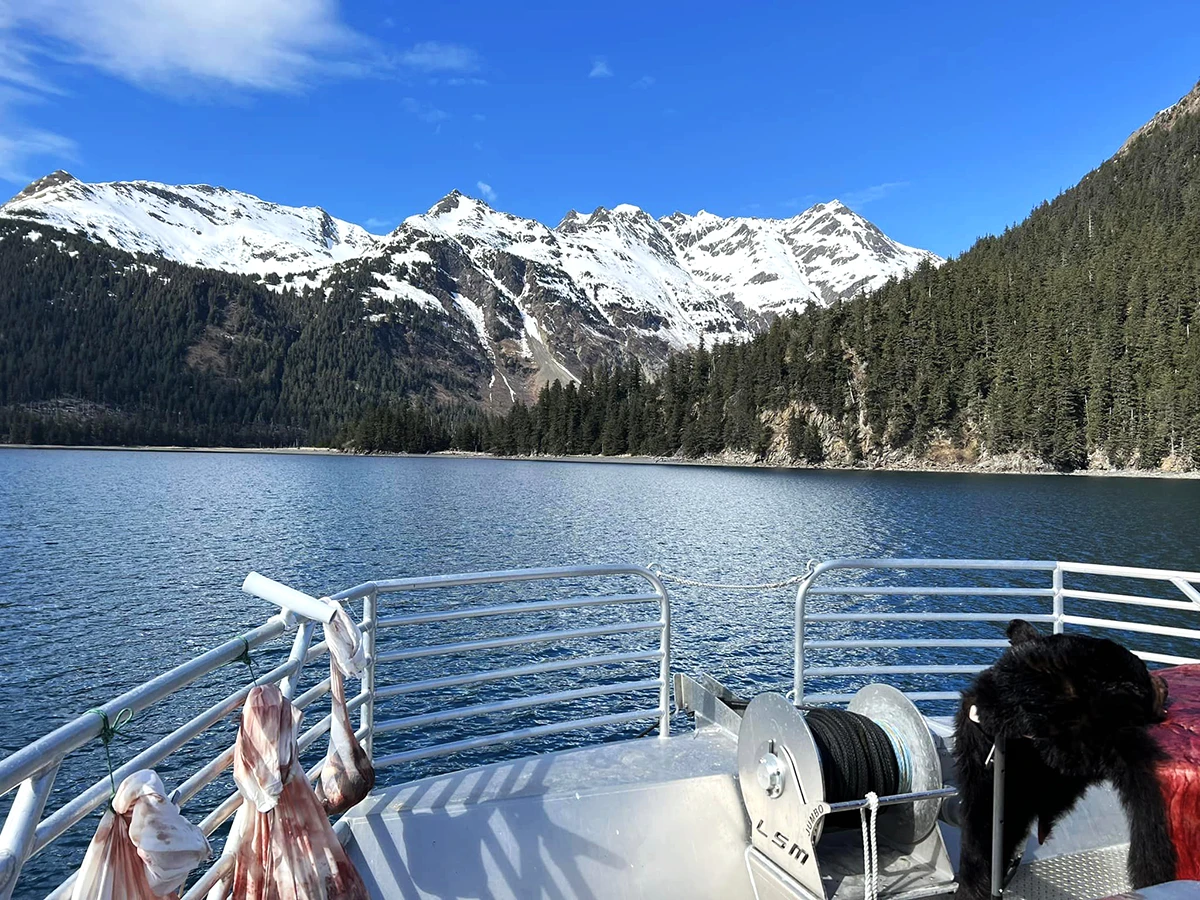
Kachemak Bay, south Kenai Peninsula, and the nearby Chugach National Forest holds one of the highest densities of black bears in Alaska. ADF&G estimates 100,000 black bears live in Alaska. In mid-April through June, after emerging from hibernation, bears feed heavily along tidal beaches, grazing on early vegetation and anything else they can find. The long, narrow bays and numerous islands along the coast allow hunters to glass efficiently while staying mobile. The terrain can be rugged, but access is where we really shine. Many productive areas are only reachable by water, which is why a seasoned transporter becomes the backbone of your Alaska boat based hunts.

Using Big Dan’s to Structure Your Alaska Boat Based Hunt
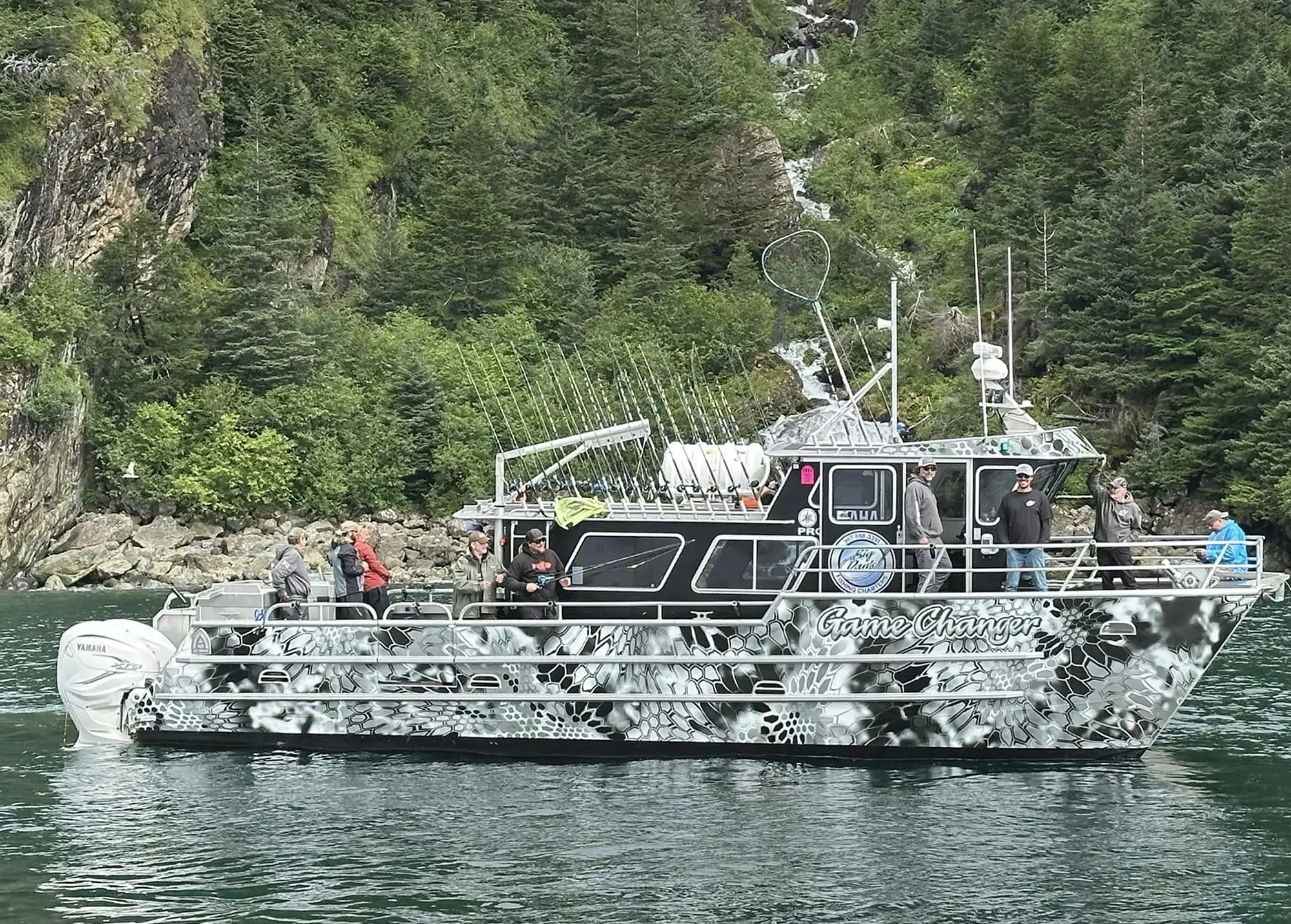
Big Dan’s specializes in Alaska boat based hunts—transporting hunters to remote beaches, coves, and anchorages. Weather and tides can affect where you are able to make ground, so having a seasoned transporter with in-depth knowledge of the area is critical to your success. When building your hunt plan, consider the following:
1. Lock in your dates early.
Prime weeks fill quickly—especially mid-May through the beginning of June. If you want the most choices for bear-hunting dates, the further out you book the better. This will also give you more options for transportation to southcentral Alaska, should you need that. Plus the earlier you book the more time you have to gather your gear, work on fitness, practice shooting and get excited for your adventure.
2. Determine your hunt location and strategy.
Do you prefer climbing to a vantage point and glassing, or would you rather put boots to the ground and stalk? It’s your choice as a hunter to decide where to hunt. Big Dan’s job is to get you there safely, provide transportation to shore, and provide meals and a place to sleep. Part of what you are getting when you employ Big Dan’s as a transporter is their local knowledge, so use that to the best of your advantage. Do your research and determine where you want to hunt; Big Dan’s cannot make this choice for you or offer any advice.
3. Prepare for drop-off flexibility.
Weather shapes the logistics of transportation. A good transporter like Big Dan’s will help you pivot to productive alternatives if conditions shift. Weather in Alaska is often unpredictable. The good news is that weather is often more stable during spring bear hunts — we are talking May and June timeline in particular — versus fall weather, so that’s another benefit to spring bear hunting. Alaska’s weather is dynamic, so setting reasonable expectations and remaining fluid with your plan is a smart move. Remember that safety is the first priority, and Big Dan’s puts the safety of their hunters as a paramount concern.
4. Understand pick-up communication.
Big Dan’s will give clear instructions for satellite phone, Garmin InReach, or ZOLEO contact, so ensure your device is fully functional. You will most likely be dropped off and picked up in the same location, unless tide cycles or your hunt dictate a different plan. Staying in touch with Big Dan’s is a critical component of Alaska boat based hunts, so be certain you have the proper device to do that.


5. Dialing in your gear.
Alaska’s weather changes fast. Spring weather can go from snowing to sunny, with rain in between. The country is rugged and so are the bears. Being successful means thinking through the possible situations and bringing the right gear. It also means being physically and mentally ready for the adventure. When you do all these things correctly, your chances of success go up dramatically.
6. Know the regulations.
Black bear cubs or sows with cubs are not legal to harvest. Glacier bears, also known as blue faze from their bluish-gray coat, are not legal to harvest. Evidence of sex needs to be attached to the hide. The skull and hide need to be sealed by ADF&G. All meat must be salvaged before June 1. It’s up to you to know all the rules, have all the proper paperwork and stay up to date on any rule changes. Review the current regulations here.
Final Thoughts
Partnering with Big Dan’s reduces the unknowns so you can focus on finding the right bear. With smart prep, flexible planning, and a transporter who knows Homer, Kachemak Bay and beyond, your spring hunt becomes a serious opportunity for a mature black bear.
Get more information about our Alaska boat based black bear hunts. Give Sarah a call at 907-598-3391.